The cost to replace a toilet depends on the fixture, the work needed, and the condition of the plumbing. A simple swap in the same spot is often easier than changing toilet types or fixing hidden damage. A plumber can review the job, explain the work, and confirm the final cost in a written quote.
In Hillsboro, the right toilet depends on more than its look. A homeowner may need a simple replacement, while a business may need a fixture made for frequent use. Hillsboro Plumber can help property owners understand the work and compare options for their space.
Table of Contents
- What determines the cost to replace a toilet?
- What does a standard toilet replacement include?
- How do toilet type and features affect replacement costs?
- What additional plumbing work can increase the cost?
- How does a commercial toilet replacement differ from a residential job?
- When is repairing a toilet more practical than replacing it?
- How can you compare plumber quotes for toilet replacement?
- What should you look for when hiring a plumber?
- How can you prepare for a toilet replacement?
- What should you confirm before approving the work?
What determines the cost to replace a toilet?
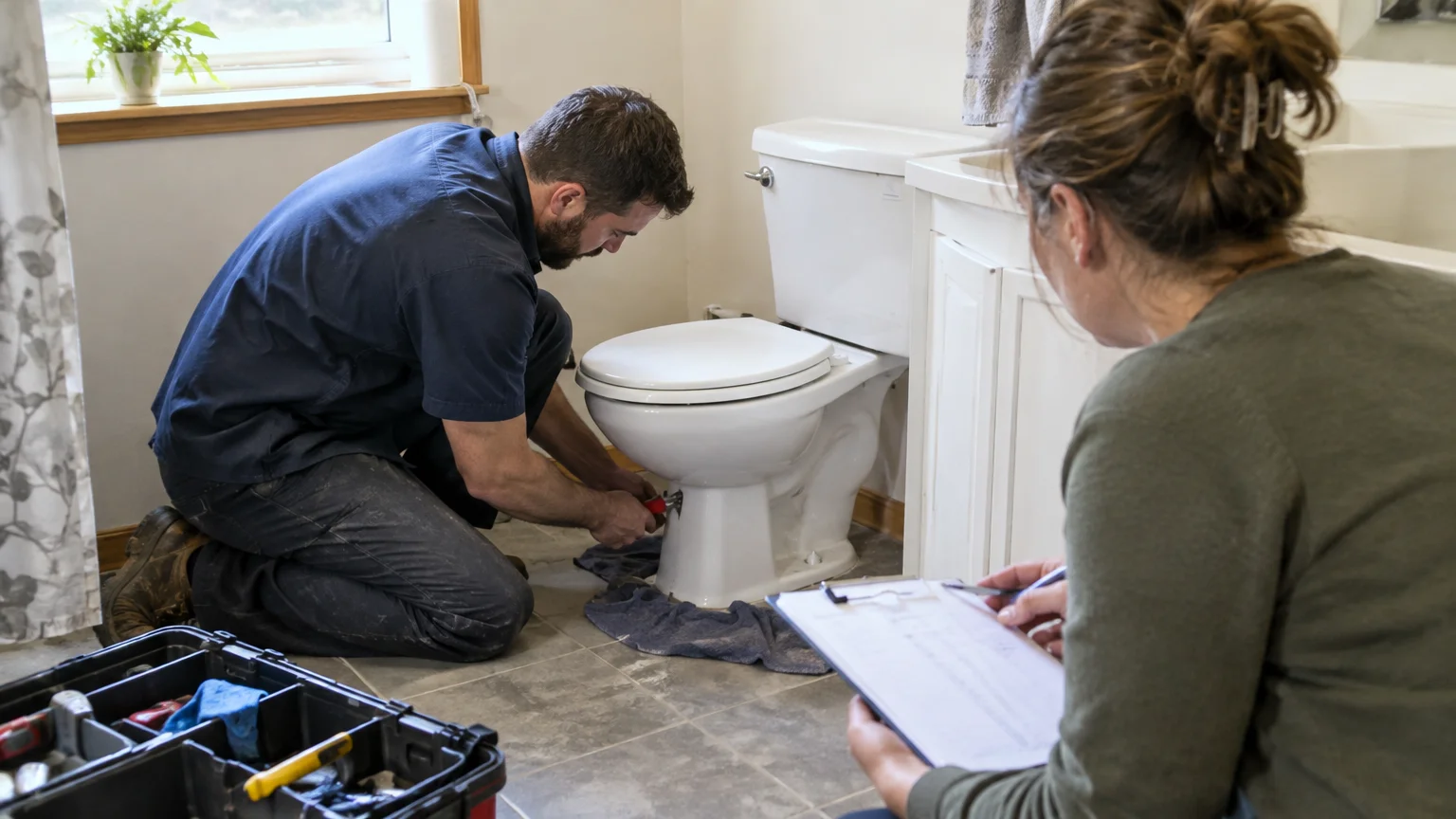
The total depends on the toilet, the installation work, and the plumbing nearby. Replacing a similar toilet in the same place is often more direct than changing the fixture type or fixing damage. The plumber confirms the final cost on a quote after reviewing the job.
The toilet itself is one part of the decision. A common two-piece model may be easier to fit than a wall-hung or specialty toilet. The size, shape, flush system, and parts that come with it can also change the work. The new toilet must suit both the room and the existing plumbing.
The work area matters as well. Tight access, stairs, or a hard-to-reach bathroom can affect the plan. A busy business may also need work arranged around staff and customers. The plumber may need to remove the old fixture, protect nearby surfaces, and check the connections before fitting the new one.
Hidden problems can change the job. A damaged floor flange, leaking shutoff valve, or worn supply line may need repair before the toilet is safe to use. A flange is the fitting that joins the toilet to the drain pipe and helps hold it to the floor. If it is broken, placing a new toilet over it can leave a leak or a loose fixture.
Ask for a written quote that lists the work, parts, removal, and disposal. It should also say what happens if the plumber finds a problem after taking out the old toilet. Hillsboro Plumber can talk through these details with customers before they approve the work, so the expected scope is clear.
What does a standard toilet replacement include?
A standard replacement often includes taking out the old toilet, preparing the connection, setting the new fixture, and testing it. The exact work depends on the plumbing and what the written quote covers. Ask the plumber to explain any limits before work starts.
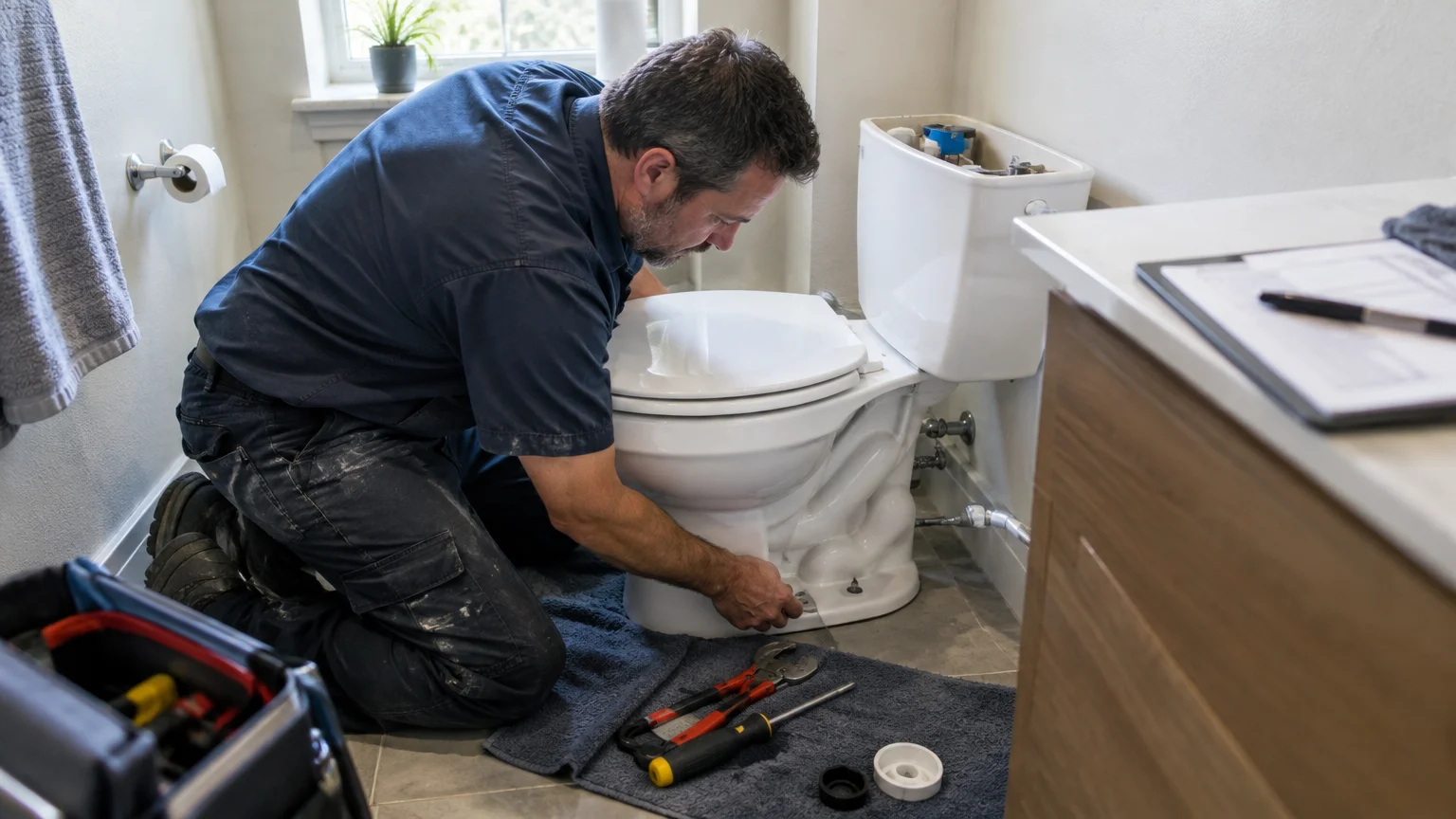
First, the plumber shuts off the water and empties the toilet. The old fixture is then disconnected and removed with care. The plumber can look at the open drain connection and nearby floor for signs of damage. If the problem is not part of the agreed work, the customer should hear about it before extra work begins.
Next, the plumber prepares the base and drain connection. A new seal is commonly placed between the toilet and the drain opening. The toilet is set in place and fastened. The water line is connected, and the plumber tests the toilet to see that it fills and flushes as expected.
A finished job should also include a check for leaks near the base and water line. The plumber should explain any limits, such as damage that was hidden before removal. Disposal of the old toilet should be listed clearly. Do not assume it is included if the quote does not say so.
Before work begins, check who supplies the toilet. Ask whether the seat, bolts, water line, and other parts are included. These details can prevent confusion later. Also ask whether cleanup is part of the work and what will happen if the shutoff valve will not close or the flange needs repair.
How do toilet type and features affect replacement costs?
Toilet type changes both the fixture choice and the work needed to fit it. Replacing a similar model is often simpler than switching to a different design. A new style may need different connections or work on the wall or floor.
A two-piece toilet has a tank and bowl that are separate. A one-piece toilet joins them into one fixture. The right choice depends on the room, plumbing, and path used to move the toilet into place. A wall-hung toilet attaches to a frame inside the wall. Replacing one may mean working on that frame and its connections, so it is not always a direct swap for a floor-mounted toilet.
Flush systems and bowl shapes matter, too. Some toilets use different flush parts or need a certain type of connection. A round bowl may suit a smaller room, while an elongated bowl gives more sitting space. The room layout and the distance from the wall to the drain help show which models may fit.
Access needs can guide the choice. A household may prefer a seat height that is easier to use. A business may need a fixture that suits its restroom layout and sees frequent use. A plumber can explain which models match the connections and how the toilet will be used.
Before choosing a model, check its size, water connection, drain position, and included parts. A toilet that looks like the old one may not fit the same way. A plumber can check the space and installation needs before you order the fixture. This can help prevent delays or changes during the job.
What additional plumbing work can increase the cost?
Extra work may be needed if the plumber finds worn parts or damage near the toilet. A new fixture will not fix a leak caused by a broken connection, weak floor, or another plumbing problem. The plumber should explain why any added work is needed.
The flange can crack, loosen, or sit at the wrong height. It joins the toilet to the drain and helps keep the fixture in place, so it must be sound. The shutoff valve may be stuck, rusty, or unable to stop the water. A worn water line may leak or may not fit the new toilet.
Water around the base needs attention. It can come from a failed seal, but it may also point to a cracked toilet or damaged floor. If water has reached the subfloor, the plumber may need to explain work beyond the replacement. The subfloor is the layer under the finished floor. Damage there can stop the toilet from sitting firmly.
Old or unusual connections may need changes to fit the new toilet. Ask the plumber to explain each added task and whether it was part of the first quote. If possible, look at the problem area together. Request an updated written quote before approving extra work.
A toilet that keeps running may only need a small repair. The cause might be a worn flapper or a fill valve that does not shut off. A flapper is the moving seal at the bottom of the tank. The fill valve controls water entering the tank. If the fixture is sound, Toilet Repair may solve the issue without replacing the toilet. This can make the toilet repair cost different from a full replacement.
How does a commercial toilet replacement differ from a residential job?
Commercial toilet replacement may need more planning because many people use the restroom. The plumber should consider how often the fixture is used, how people reach the work area, and how the job affects the business. A clear plan can help limit disruption.
A busy restroom may need a toilet that is made for frequent use and easy care. The right model also depends on the drain, water supply, room layout, and building rules. A property owner or manager should talk through those needs with a qualified plumber before buying a fixture.
Timing and access can be as important as the toilet itself. A business may need to keep another restroom open, tell staff about a short closure, or plan work outside its busiest time. The plumber should know about building rules, entry steps, and limits on when the work can happen.
If a property has several restrooms, the owner should say which ones matter most to keep open. A clear plan can help the plumber finish the work while reducing disruption. It can also help the business decide whether to replace one toilet at a time or plan several jobs together.
Business owners should ask what the quote includes, how the work area will stay safe, and how the new toilet will be tested. They should also ask who removes the old fixture and how new issues will be approved. Hillsboro Plumber can talk with home and business customers about their property needs before work begins.
When is repairing a toilet more practical than replacing it?
Repair is often a good choice when the toilet is steady, has no cracks, and needs a replaceable part. A full replacement may make more sense if the fixture is damaged, keeps failing, or no longer suits the property. A plumber can help compare the two options.
A homeowner can safely check a few simple things. Look inside the tank to see if the chain is caught. Check whether the flapper rests flat after flushing. You can clean visible mineral buildup from removable parts by following the maker’s directions. Do not take apart pipes or force a stuck valve as part of DIY toilet repair.
A running toilet may need a new flapper or fill valve. To repair a toilet fill valve, shut off the water first and make sure the replacement part fits. A toilet bowl fill valve repair may help when the tank does not refill or does not stop filling. If the valve is hard to reach, the shutoff does not work, or the repair fails, have a plumber check it. The likely running toilet repair work depends on what caused the problem.
A toilet repair flapper may be enough when water slowly passes from the tank into the bowl. Choose a flapper that fits the flush valve and follow the maker’s directions. Repair toilet inlet valve issues only if the water can be shut off safely and you know which part fits. A fill valve toilet repair is not a good do-it-yourself job when the tank or water line is cracked or leaking.
Think about replacement if the bowl or tank is cracked, the toilet rocks because the base is damaged, or leaks return after repairs. Repeated clogs, a poor fit, or a fixture that does not suit the people using it may also support replacement. A toilet not flushing well may need repair, but the cause should be checked before choosing a new fixture.
A repair may be one of the simpler jobs when only a small part has failed. Replacing the whole toilet can involve more work, especially if there is damage or a different fixture is needed. A water heater replacement is a separate and larger plumbing job, so it should not be confused with toilet work. Ask the plumber to explain the options for the problem at hand.
How can you compare plumber quotes for toilet replacement?
Compare quotes by checking whether each one describes the same work and parts. A lower-looking quote may leave out removal, disposal, or connection parts that another one includes. The final cost should be confirmed in a written quote before you approve the job.
Check whether the quote names the toilet model or says who will supply it. It should list removal, installation, new seals or fittings, testing, and disposal. If the plumber has not seen the flange or floor, ask how the quote will handle damage found after the old toilet comes out.
Ask whether work on the shutoff valve, water line, or flange is included. If it is not, ask how the plumber will explain extra work and get your approval. A clear process helps you decide what to do if damage could not be seen earlier.
Quotes are easier to compare when they cover the same kind of toilet and similar work conditions. One quote may include the fixture, while another may cover installation only. Look at what each one includes instead of comparing only the final amount. Ask whether cleanup and checks for leaks and flushing are included.
Keep the written quote and any changes with your property records. This can help landlords, managers, and business owners track work over time. If a detail is not clear, ask for a plain explanation before you approve the job. A trustworthy plumber should answer questions without pressure.
What should you look for when hiring a plumber?
Choose a plumber whose license, insurance, and work experience fit the job and local rules. Requirements can differ across Oregon towns and cities. Check with the right licensing office instead of assuming one rule applies everywhere.
Ask whether the plumber has done similar toilet replacements. A wall-hung toilet, a business restroom, or an unusual connection may need experience beyond a simple swap. The plumber should explain what they will check and why the chosen fixture suits the space.
Clear talk matters. The plumber should describe the planned work, explain what may be outside the quote, and say how they will ask before doing extra repairs. Good answers help you understand what the quote covers. Do not agree to work while the scope or next steps remain unclear.
Check that the written papers name the business and describe the work. Ask what workmanship promises apply and how to raise a concern after the job. Read the terms and keep a copy of the quote, approvals, and product details. Broad promises alone do not explain what is included.
For a rental home or business, check who can approve changes and who will provide access. The owner, tenant, manager, or building contact may each have a part. Hillsboro Plumber can explain its process to customers who are planning toilet work, so they know what to expect before making a choice.
How can you prepare for a toilet replacement?
Clear the way to the toilet and tell the plumber about known leaks, past repairs, or unusual plumbing. A clear work area helps the plumber move safely and plan the job. Sharing what you know can also help explain possible changes to the work.
Move personal items, mats, and stored supplies away from the toilet. Keep children and pets out of the work area. If the bathroom has a narrow door or stairs, tell the plumber ahead of time. This helps them plan how to move the old and new fixtures.
Share any known trouble, such as a slow leak, a stuck shutoff valve, a toilet that rocks, or water damage near the base. Tell the plumber if the toilet has been repaired before or if the building has an unusual drain setup. These details can help the plumber plan an inspection and explain what may be needed.
For a rental, arrange access with the tenant and property manager. For a business, tell staff or customers if the restroom will be closed, and point out another restroom if one is open. A manager should also check building rules and tell the plumber how to enter the property.
Confirm who will supply the toilet and whether it will be ready before the appointment. Check that the model fits the room and plumbing. If there is an active leak or the water will not shut off, tell the plumber when arranging the work. The issue may need safe attention before the replacement can go ahead.
What should you confirm before approving the work?
Before work starts, confirm the written scope, the toilet and parts included, and how hidden damage will be handled. Before the plumber leaves, check that the toilet flushes, the connections do not leak, and the work area is clean. These checks help make sure the work matches the plan.
The quote should list the planned removal and installation. It should say whether the plumber supplies the fixture, takes away the old one, and replaces connection parts. If a repair may be needed after removal, ask how the plumber will explain the issue and get your approval before doing more work.
After installation, the toilet should sit firmly without rocking. The plumber should check the water line and base for leaks, then test the flush and tank refill. Ask the plumber to explain any changes and point out the shutoff valve for later use.
If water appears near the base or water line, tell the plumber before they leave. Do not ignore a toilet that shifts, keeps filling, or does not flush as expected. Ask what to do if a problem appears later. Keep the quote and product papers with your property records.
Key takeaways
- The toilet, work scope, access, and plumbing condition shape the final quote.
- A standard replacement should include removal, installation, and operation checks.
- A toilet with a worn part may need repair instead of full replacement.
- Compare written quotes by included work, parts, disposal, and limits.
- Check that the new toilet is steady, flushes well, and has no leaks.
Frequently Asked Questions
How long does it take to replace a toilet?
The time depends on the fixture, access, and plumbing condition. A simple replacement may take less time than a job with a stuck valve, damaged flange, or floor repair. Ask the plumber for a time estimate after they understand the work. Plan for the bathroom to be out of use during the job.
Can a homeowner replace a toilet without a plumber?
A capable homeowner may replace a toilet if the shutoff works, the connections are sound, and the new fixture fits. Stop if the toilet rocks, a connection leaks, or the flange is damaged. A plumber is the safer choice when the water cannot be shut off or the drain connection is unclear.
Should the shutoff valve be replaced with the toilet?
Not always. A working valve that fully stops the water may not need replacement. If it is stuck, rusty, leaking, or will not close, the plumber should explain the repair before fitting the toilet. The valve is easier to check while the old fixture is out.
Why does a new toilet leak at the base?
A leak at the base may mean the seal is not set well, the toilet is loose, or the flange is damaged. Water can also come from the tank or water line and run down to the floor. Stop using the toilet if water keeps appearing, and have the source checked.
Is it worth repairing a toilet that keeps running?
Often, yes, if the toilet is otherwise in good shape. A worn flapper or fill valve may keep the tank running, and changing the part can solve the issue. If repairs keep failing, the toilet is cracked, or it does not suit the property, compare repair and replacement options.
Conclusion
Replacing a toilet can be a simple fixture swap or a larger plumbing job. The flange, shutoff valve, water line, and floor can all change the work needed. A clear written quote helps property owners understand the scope, compare plumbers, and approve the right work. In Hillsboro, checking the plumbing and fixture fit can help clarify the job before work begins.
For help reviewing a toilet replacement at a home or business, Contact us to discuss the job with Hillsboro Plumber.
If you are not sure what you are dealing with, it is worth having someone look at it before it turns into a bigger job. Get in touch with Hillsboro Plumber today and we will tell you where you stand.