Water Tank
Tanks for Pressure, Heat and Backup
Hillsboro Plumber takes care of three kinds of tanks: expansion tanks on water heaters, pressure tanks on private wells, and storage tanks for backup or rain supply. Symptoms of a bad one include wild pressure swings, a well pump that clicks on and off, a relief valve that never stops dripping and wet fittings. Waiting only makes it worse.
Getting it right means matching tank to system, setting the air charge to the proper pressure and plumbing in the correct valves. Failed expansion tank, flooded well tank or new storage tank, the work reaches homes across Hillsboro. Before anyone quotes a job, confirm their plumbing license with the Oregon Building Codes Division.
Reasons
Tank Jobs We Handle
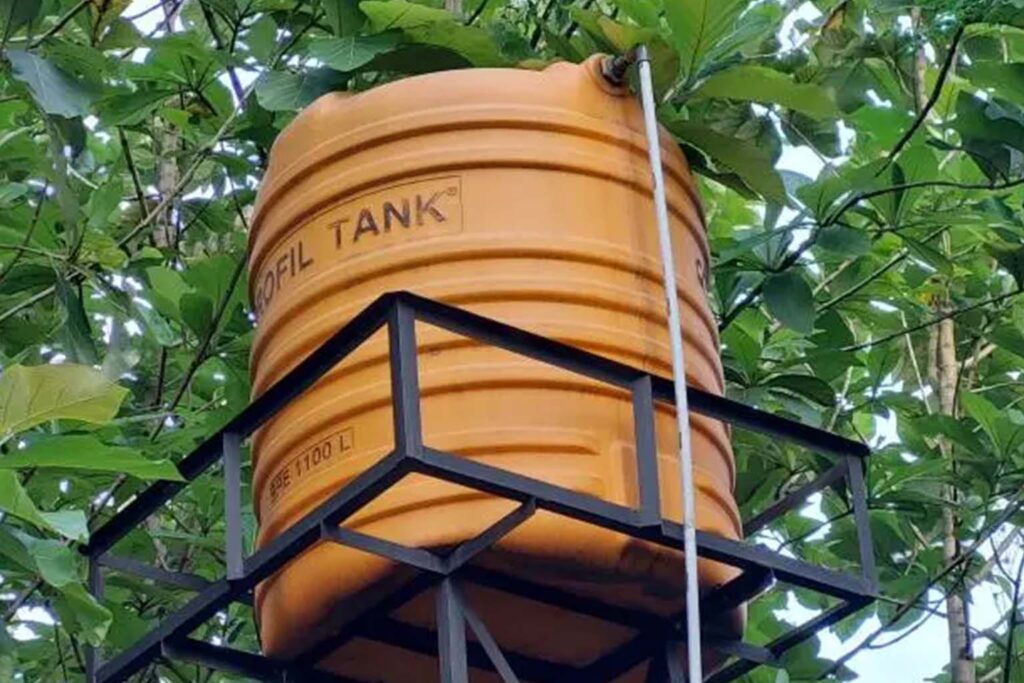
Putting In a New Tank
Each tank is chosen for what it serves, whether that is a water heater, a well pump or the day-to-day draw of the household.
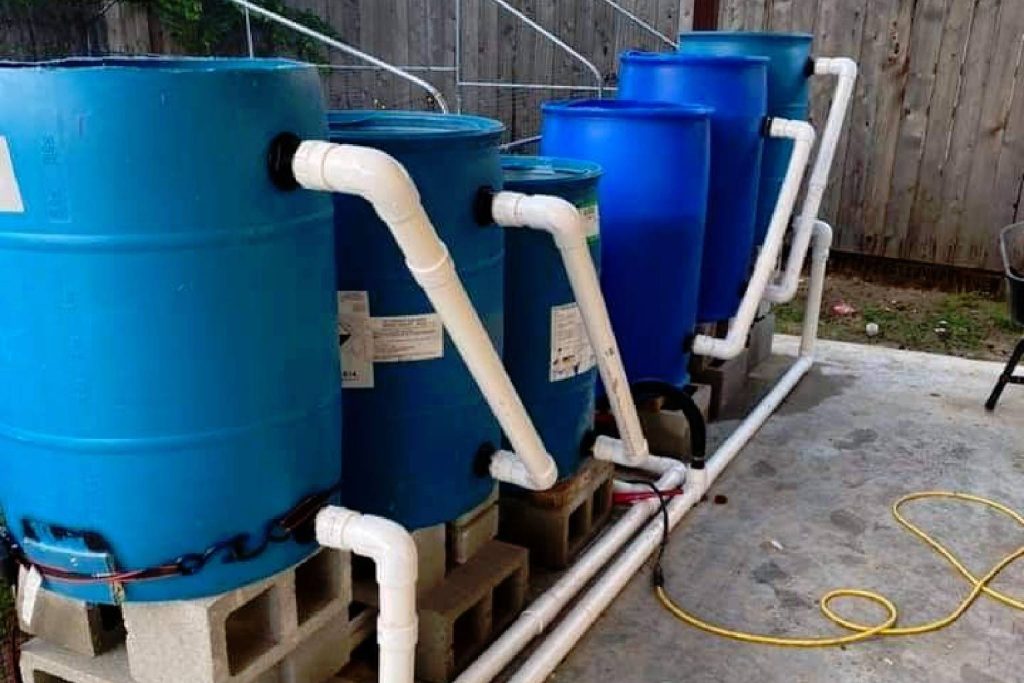
Swapping Out a Tank
Rusted, leaking, waterlogged or undersized tanks get swapped for the correct size and style for the system.
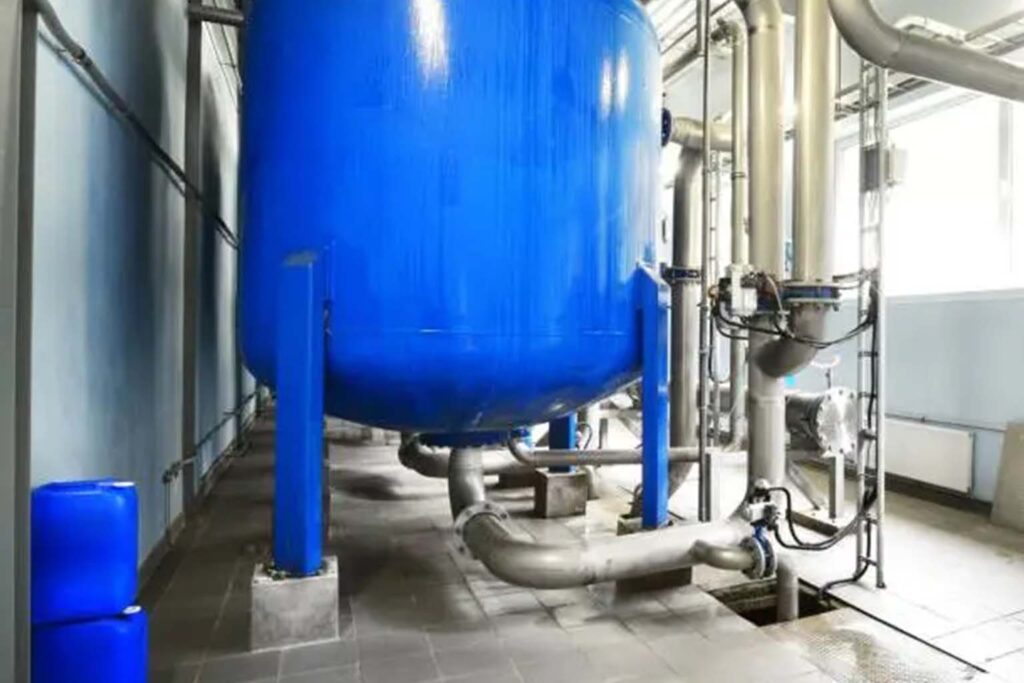
Expansion Tank Care
Checking and correcting the air charge, replacing exhausted tanks, and stopping the relief valve from dripping each time the heater runs.
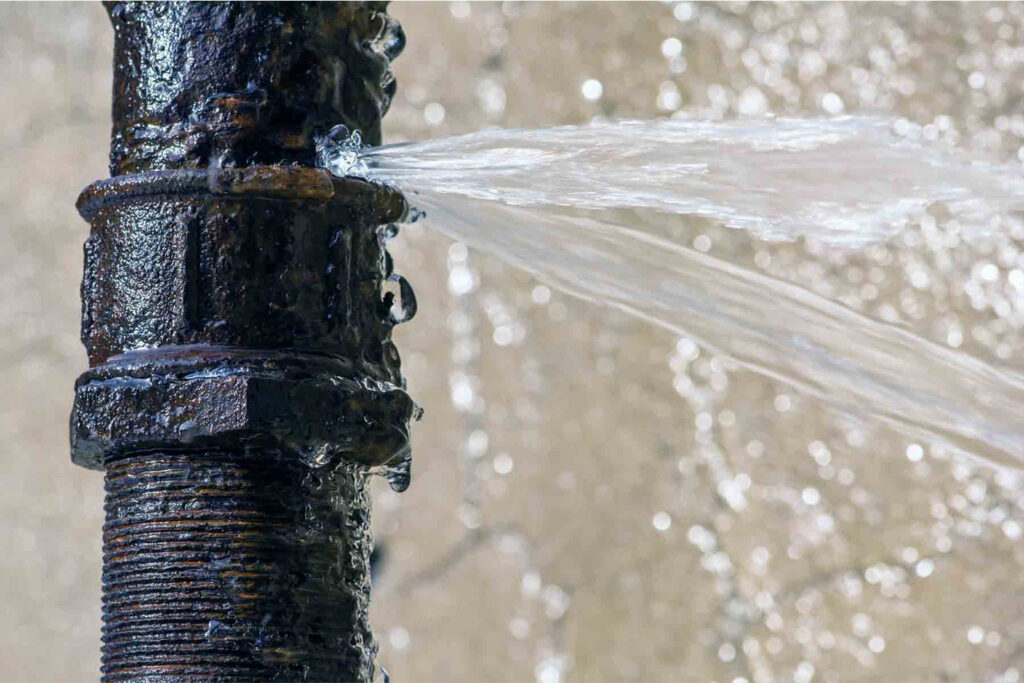
Fixing Leaks
Drips at the tank shell, supply and outlet connections, fittings and valves get dealt with before they soak floors or walls.
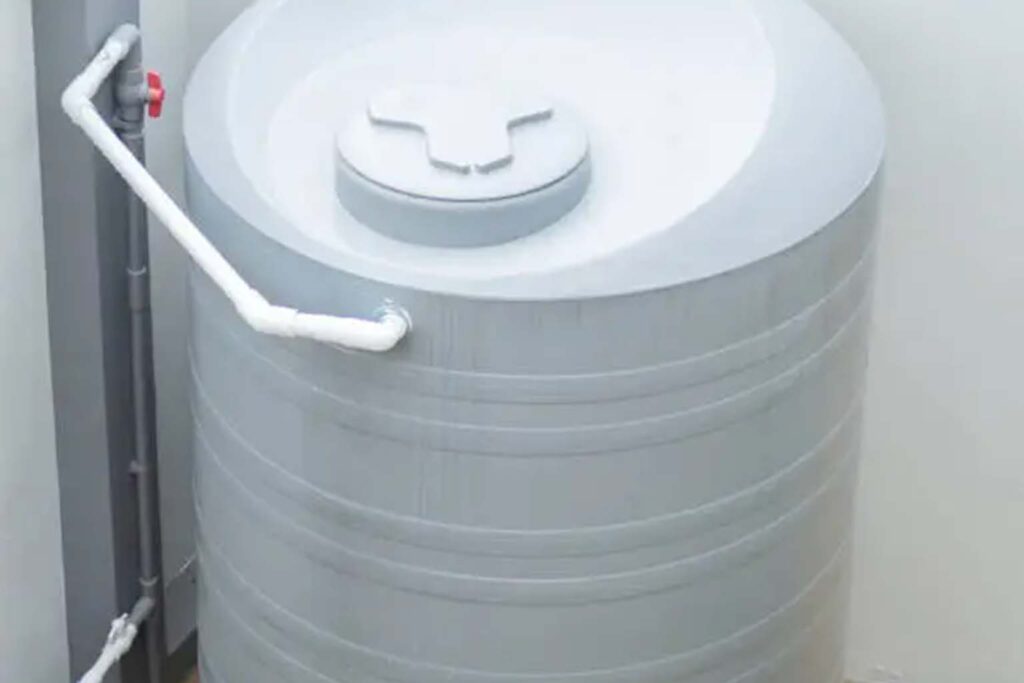
Well Tank Troubleshooting
Typical well-side problems include a flooded tank, a pressure switch set wrong, and a pump hammering itself toward an early death.
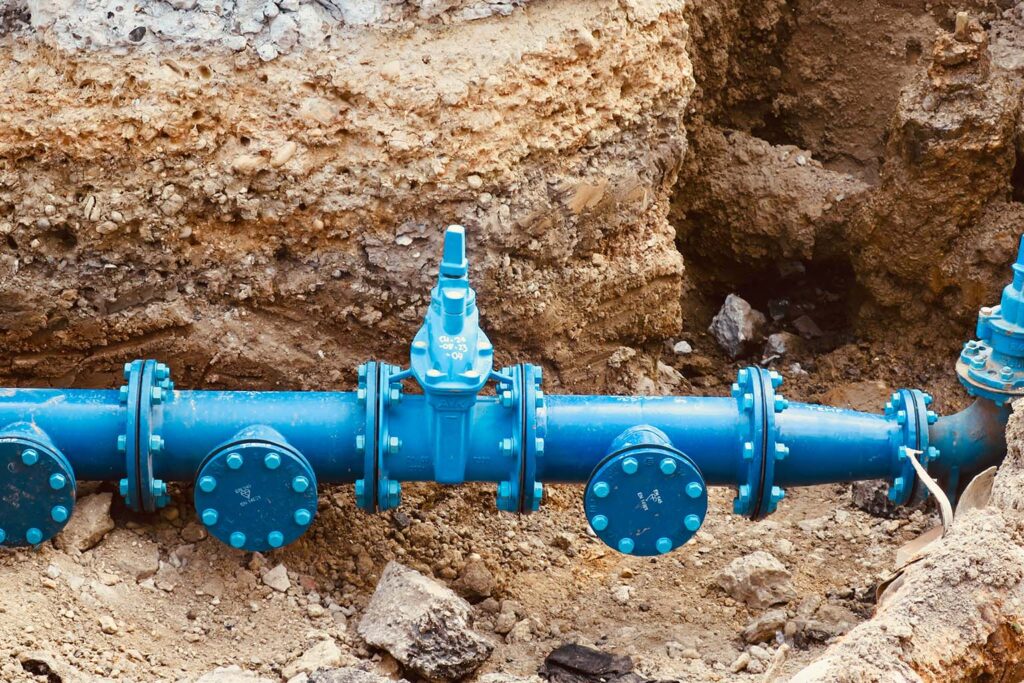
Pipe and Valve Updates
Worn pipe, stiff shut-off valves, gauges and brackets by the tank can be renewed as part of the job.
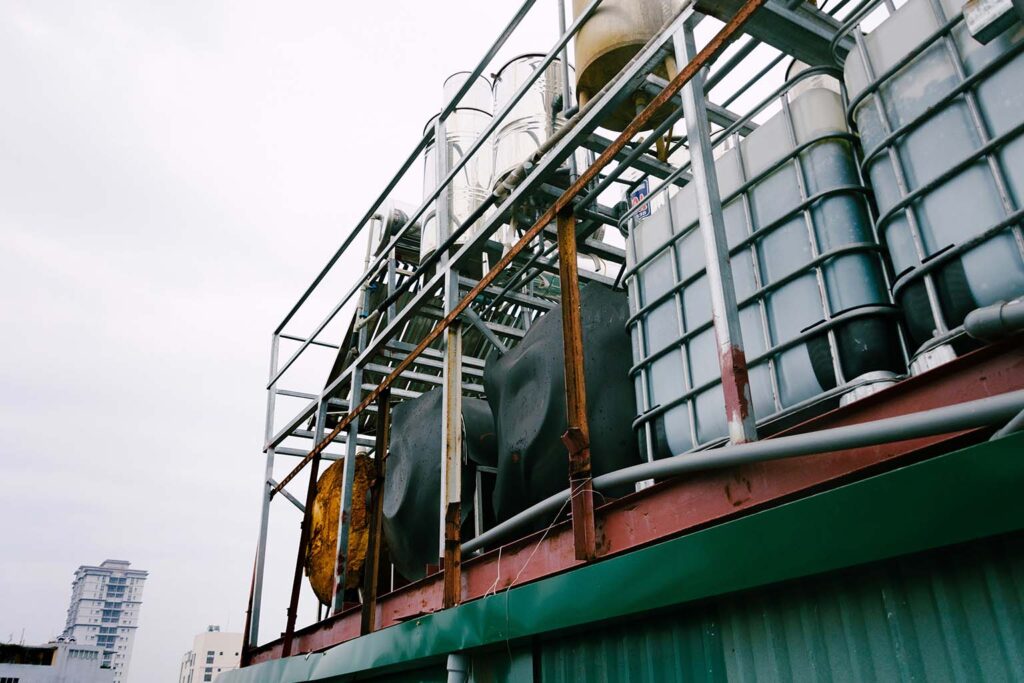
Hooking Up Storage Tanks
A rainwater or backup cistern only becomes useful once plumbing, a pump, filtration and a backflow preventer connect it to the house.
Reasons
Why Call Hillsboro Plumber About Your Water Tank?

Installed by the Book
Tank sizing, mounting and hookups should follow the manufacturer’s instructions, and the system should be tested afterward.

Close to Home
The work centers on homes across Hillsboro, which keeps a return visit a short trip if one is needed.

Root-Cause Repairs
The aim is what is truly wrong, from a spent expansion tank to a worn-out well tank, not the symptom.

Straight Answers
Picking tank size and type for a heater, well or storage setup goes easier with plain guidance.

Tidy Job Sites
Drop cloths go down, debris stays contained, and the room looks as it did before.
Plumbing trouble needs no interpreter, just a clear diagnosis and a repair plan built around your home.
Symptoms
Tank Trouble Worth Calling About
- Drips at the tank or fittings
- Relief valve that drips or spits
- Pressure lurching high then low
- Well pump that cycles constantly
- Rust eating through the shell
- Pressure tank full of water
- Hammering in the lines
- Expansion tank too small or dead
- Tank that can't keep its charge
When a tank is behind the trouble, the goal is to find the cause and fix it properly.
Neighborhoods served
Where Water Tank Calls Come From in Hillsboro
Tank work is available throughout:
Questions People Ask
Tank Questions
What job does an expansion tank do?
Water takes up more room as it heats. In a sealed plumbing loop there is nowhere for that growth to go, so pipes, valves and the heater all see higher pressure. A pocket of air inside the expansion tank gives the extra volume somewhere to sit, which levels the pressure and spares the relief valve.
How do I recognize a failed expansion tank?
Rap your knuckles down the shell. Hollow near the top and dull lower down is normal; a tank that thuds all the way up has lost its air cushion. Pressure that spikes whenever the heater runs, a relief valve that leaks and moisture at the air stem point the same direction.
What warns me a well tank is going bad?
Watch the pump with a tap running. If it clicks on and off every few seconds, the tank is short cycling. Tap pressure may pulse, the gauge needle may swing, and the tank itself may show rust or beads of moisture on its shell.
Why does the heater's relief valve drip?
Each heating cycle raises pressure, and when an expansion tank is dead or was never installed, that pressure can lift the temperature and pressure relief valve. Occasionally the valve itself has worn out. Have a plumber look, since it is the heater’s safety backstop.
How many years do pressure tanks run?
Water chemistry, pressure settings and the number of pump starts each day wear a tank down. Set aside time to check the air charge during maintenance and fix short cycling quickly; those two steps extend life the most.
Is tank replacement a DIY job?
It can be done, but expect to drain the lines, set the air charge to your pressure and make joints that don’t weep. One mistake floods the utility room, and Hillsboro Water advises using a professional plumber for customer-side repairs.
How do I pick an expansion tank size?
Two numbers set it: the size of the water heater and the pressure the house runs at. The plumber reads both and selects a matching tank. Too small and pressure still climbs; too big and you pay for volume that does nothing. Ask for the reasoning.
Must a water heater have an expansion tank?
When a check valve or pressure-reducing valve on the main line seals the system, you generally need one. Replacing a water heater needs a city plumbing permit through the the City of Hillsboro Development & Permit Center, so ask what the installer will file.
Why does my well pump run and stop so often?
Rapid cycling signals a tank that has lost its air charge or a bladder that has given way, leaving nothing to cushion the pump. A faulty pressure switch can imitate it. Leave it alone and the pump pays the price in early wear.
Which tank style fits a household best?
That hinges on the application. A closed loop with a heater wants an expansion tank. Wells commonly take a bladder-type pressure tank. For above-ground storage, polyethylene is typical. Once you know how it will be used, choosing gets simple.
What goes into replacement tank pricing?
Price swings with tank size and style, how easy the location is to reach, and whether pipe or valves get replaced during the same job. Request a written estimate that breaks those items out before work begins.
Does a storage tank need to be on a slab?
No, though the footing has to be level and solid. Concrete pads suit large tanks and soft ground, while packed gravel or a rated stand carries many smaller ones. If the tank leans, the shell takes uneven strain and can eventually split.