

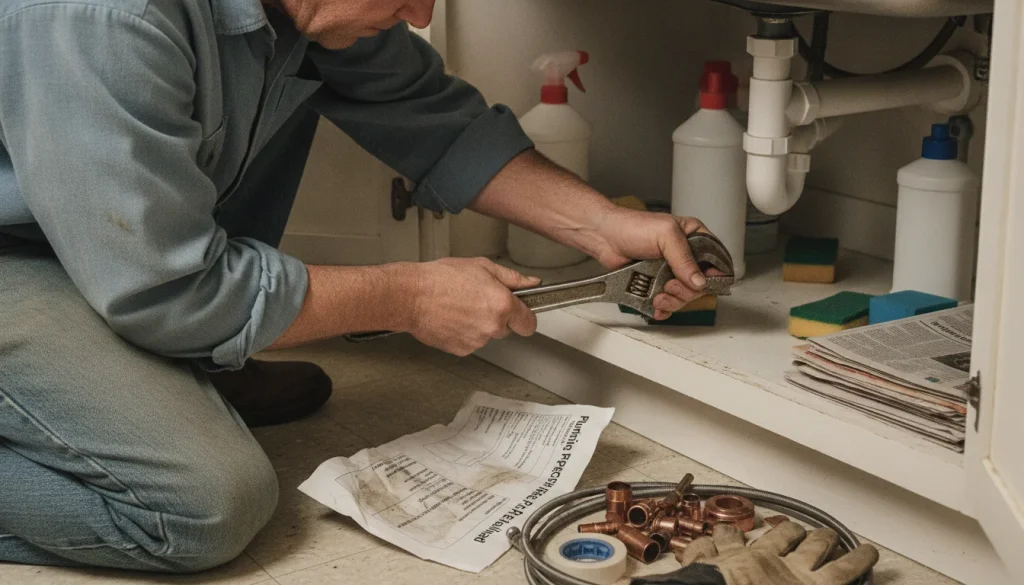
Have plumbing trouble and need a straight answer fast? You are not alone. Many homes in Hillsboro face leaks, clogs, or no hot water at the worst time. Here is the short answer: common plumbing repair costs vary. They depend on labor, parts, access, timing, and code requirements. In the first minutes of troubleshooting, define the problem, gather photos, and note fixture brands so a local pro can scope the job accurately. This guide explains the drivers behind the bill and how to compare quotes in plain terms so you can plan with confidence in Hillsboro.
Key Takeaways
- Costs depend on labor time, parts, access conditions, timing, and code needs—not one flat price.
- Good diagnostics (photos, fixture age/brand, when the problem occurs) reduce guesswork and surprises.
- Leaks, clogs, and heater issues each have different diagnostic steps and repair paths.
- Written scopes and warranty terms are essential for fair comparisons across quotes.
- For urgent issues, stabilize first (shut off the water) and schedule local help promptly in Hillsboro.
Table of Contents
- Quick Answer: What Common Repairs Involve
- What Drives Plumbing Costs in the US
- Leak Detection and Repair: From Drips to Slab Leaks
- Blocked Drains and Sewer Line Clearing Costs
- Toilet, Faucet, and Fixture Repairs: Repair or Replace?
- Water Heater Repairs vs. Replacement Costs
- How to Get and Compare Quotes You Can Trust
1. Quick Answer: What Common Repairs Involve

Most homes deal with a few core plumbing issues. These include leaky faucets, running toilets, slow or blocked drains, water heater trouble, and burst pipes. A “common” plumbing repair is work a licensed plumber can perform without major structural changes. Examples include clearing a sink trap, replacing a toilet fill valve, or tightening and resealing a loose supply line.
While people often want a single number, real‑world plumbing costs shift with the job. The same leak might be straightforward at a sink but more complex inside a wall. Labor time changes when access is tight or parts are behind tile or cabinetry. Scheduling also matters; work after hours or on holidays is typically billed differently than weekday appointments. No two properties in Hillsboro are identical, so quotes differ by scope and site conditions.
Here is how to plan. First, describe the problem in clear terms: where the drip appears, how fast it occurs, and when it started. Share the age and brand of fixtures, if known. Take photos of the area, including the shutoff valve and any staining. Ask for a written scope listing labor, parts, and any likely contingencies. Compare the scope between plumbers and note permit or code items if walls, gas lines, or venting are involved. This method gives you a realistic picture without guessing at a price.
If water is flowing now, shut off the supply. The main shutoff valve stops water to the entire property. It is usually by the water meter or where the main line enters the home. Turning that valve can limit damage until Emergency Plumbing arrives.
2. What Drives Plumbing Costs in the US
Many moving parts shape a final bill. The primary drivers are labor, parts, access, and timing. Labor is the time a licensed plumber spends diagnosing and fixing your issue. Parts are the items replaced, such as cartridges, wax rings, valves, gaskets, and sections of pipe. Access is how easy it is to reach the problem. A leak under a sink is typically faster to reach than one in a ceiling or slab. Timing refers to when the work takes place; urgent work outside normal hours often carries different rates.
Property type also matters. A single‑family home often has simpler access than a multi‑story building. Older homes in Hillsboro can have mixed pipe types or past DIY fixes that add steps. If a repair touches gas lines, water heaters, or main drains, expect safety checks. Code compliance ensures the work meets state and city rules. A permit is a formal approval that allows a job to start and is often needed for larger changes such as water heater replacement or sewer line work.
There are also risks that add time. Hidden water damage needs drying and cleanup. Mold or mildew adds safety steps. Galvanized steel or polybutylene pipe can be brittle; when touched, additional sections may fail. In some cases, upgrading to modern materials is the smart, longer‑term move.
Parts vary by brand and age. Some older faucet cartridges are harder to source. Special‑order parts can mean extra trips. For heaters, an anode rod helps slow tank rust. The anode rod is a metal core that attracts corrosion so the tank lasts longer. Replacing worn parts early can prevent bigger repairs later.
In short, the total depends on time, access, parts, code, and risk. Share clear details up front to help your plumber plan. That clarity saves time on site and can reduce surprises.
3. Leak Detection and Repair: From Drips to Slab Leaks
Water leaks come in many forms. A slow faucet drip is easy to see. A hidden leak in a wall, ceiling, or slab takes tools to locate accurately. Leak detection is the process of pinpointing the exact source. Pros use moisture meters, thermal cameras, and acoustic sensors. These tools help find wet areas without opening large sections of your home.
Diagnostics matter. Tell the plumber when the leak occurs. Is it constant, or only when fixtures run? Note any stains, soft drywall, musty smells, or warped flooring. Photos help. The goal is to reduce guesswork before opening a wall or floor. When needed, a small test hole can confirm the wet spot and limit damage.
Supply leaks and drain leaks act differently. A supply leak is under pressure and can spray or drip even when fixtures are off. A drain leak happens when water flows from a sink, tub, or toilet. Supply leaks call for quick shutoff. The shutoff valve at the fixture or the main can stop flow. Drain leaks often show up as drips right after you use water.
Common fixes use parts like compression fittings, PEX couplers, or new sections of copper or PVC. For a faucet, a new cartridge or O‑ring may stop the drip. For toilets, a fill valve or flapper can end a constant run. For slab leaks, rerouting a line above the slab may be better than opening the floor. Slab leaks are leaks in pipes buried in or under the concrete base of a home. Repairs must protect structure and meet code.
One more note on water waste. Even small leaks add up. The Environmental Protection Agency reports that household leaks can waste significant water each year, and fixing easy leaks can save many gallons daily (EPA WaterSense). Early action pays off in water saved and damage avoided across Hillsboro neighborhoods.
4. Blocked Drains and Sewer Line Clearing Costs
Clogs range from a slow sink to a full sewer backup. A sink, tub, or shower often clears with a hand auger. An auger is a flexible cable that breaks up hair and soap buildup. For a toilet, a closet auger can reach past the bend to clear a soft blockage. Snaking uses longer cables to reach deeper into the line, helpful when the clog sits beyond the trap.
Main line issues show as backups in low‑level fixtures, like floor drains or tubs. If several fixtures back up at once, the problem may be in the main sewer. Roots, scale, and grease are common culprits. A camera inspection can confirm the cause and pipe material. A camera inspection is a video scope run down the pipe to see inside and locate defects.
Hydro jetting is a cleaning method that uses high‑pressure water to scrub the inside of pipes. It clears heavy grease and roots that snaking may leave behind. Hydro jetting can help restore flow in older lines, but it requires skill and the right access point. After clearing, a follow‑up camera pass can confirm the result.
To prevent repeat clogs, ask about the root cause. In kitchens, fat, oil, and grease harden in the line. In baths, hair and soap scum build up. In older clay sewer pipes, root entry at joints is common. A plan may include regular Drain Cleaning, small repairs, or a partial line replacement. If storms trigger backups, consider preventive maintenance before the next season. When a backup is active, call Emergency Plumbing for fast help.
For homes in Hillsboro, local soil conditions and mature trees can affect main lines. Share your home age and any past sewer work with Hillsboro Plumber so the team can tailor the approach to your property.
5. Toilet, Faucet, and Fixture Repairs: Repair or Replace?
Toilets, faucets, and valves wear out over time. A running toilet wastes water and raises bills. Common fixes include a new flapper, fill valve, or wax ring. A wax ring is the seal between the toilet base and the drain. If it fails, you may see water at the base or smell sewer gas. For faucets, a new cartridge or seat can stop drips.
It is smart to weigh repair versus replacement. Replacement can make sense when parts are hard to find, the fixture is very old, or finishes are worn. New fixtures can improve function and reduce water use. A WaterSense‑labeled faucet or showerhead meets EPA water‑saving standards, helping conserve water without sacrificing comfort (EPA WaterSense).
Look at the whole setup. A new faucet may need updated supply lines or shutoff valves. A shutoff valve lets you stop water to one fixture for service. If these valves are stuck or corroded, plan to replace them during the repair. For toilets, check the flange height and floor condition before replacement. A broken flange or uneven floor needs a small fix for a proper seal.
For tubs and showers, mixing valves and cartridges control temperature and flow. When temperatures swing or pressure drops, the valve may be worn. Some brand‑specific parts install quickly. Others need access behind the wall. If tile must be removed, plan for patching and finish work. Kitchen Plumbing and Bathroom Installations can help align function and finish so your repair matches your space.
When you compare options, ask for a clear parts list and warranty terms. A solid parts‑and‑labor warranty adds peace of mind. For busy homes and rentals in Hillsboro, durable parts can reduce future visits and downtime.
6. Water Heater Repairs vs. Replacement Costs
No hot water is a common call. A quick check can help your plumber: note the unit type (tank or tankless), fuel (gas or electric), and age. Tank heaters store hot water. Tankless heaters heat water on demand. Each has different parts and service steps. An electric heater may need new elements or thermostats. A gas unit may need a gas control valve, igniter, or vent checks.
The anode rod protects a tank from rust. When it is spent, corrosion can accelerate. Replacing the anode rod on time can extend tank life. The temperature and pressure relief valve is a safety device that opens if pressure rises. If it drips often, have it checked. For tankless units, scale buildup can trigger error codes. Descaling and filter changes are part of normal care.
When to repair and when to replace? Weigh age, service history, and parts availability. Many tank heaters provide years of service with routine maintenance, and tankless units can also run for long periods with proper care. If the tank leaks, replacement is usually the only safe choice. If parts are rare or you face repeat breakdowns, a new unit may be the better fit. Consider hot water demand as well. Growing families, new fixtures, or a rental unit may call for a larger or different system.
Gas work and venting must follow code. Proper venting keeps exhaust out of living spaces. If you change fuel type or capacity, permits may be needed. Discuss access, drain pans, earthquake straps, and drip legs where required. For same‑day hot water, coordinating with Emergency Plumbing can speed scheduling and limit downtime in Hillsboro.
For homes in Oregon’s climate, seasonal temperature swings can strain heaters. Share recent error codes, sounds, and photos with Hillsboro Plumber. That detail helps the tech bring the right parts and streamline the visit.
7. How to Get and Compare Quotes You Can Trust
Hiring a licensed plumber is about more than a number. You want clarity, safety, and durable work. Start with license and insurance checks. Ask for proof of an active state license and general liability coverage. Confirm workers’ compensation for crews. Code compliance is non‑negotiable. The Uniform Plumbing Code and local rules protect health and safety. Your plumber should explain permit needs in plain language (IAPMO UPC Overview).
Ask key questions. What is the scope of work? Which parts will be replaced? How will access be gained and restored? What could change the plan once walls are open? How long will water be off? Will photos be taken before and after? What are the warranty terms on parts and labor? How are change orders handled? Clear answers mean fewer surprises.
Get two or three written scopes for larger jobs. Compare the method, not just the headline. One plan might patch; another might rebuild with better components. If one quote looks unusually low, look for missing items like cleanup, finish repairs, or permit fees. Read reviews for service patterns, not one‑off stories. A steady record of on‑time work and tidy jobs speaks well.
For emergencies, ask about response times and a plan to stabilize damage. Leaks & Burst Pipes and Emergency Plumbing focus on rapid shutoff and safe repair. For remodels, align with Bathroom Installations and Kitchen Plumbing so rough‑in, fixtures, and finishes all match. For gas appliances, use Gas Line Plumbing for code‑safe hookups and tests.
If you want local help, Hillsboro Plumber works across Hillsboro and nearby neighborhoods. Many owners prefer a trusted local team “near me” for quicker scheduling and follow‑up. Share details early and you will get a sharper, more accurate scope.
Frequently Asked Questions
How do I decide if a leak needs urgent help?
Most leaks should be handled quickly, but pressurized leaks are urgent. If water flows with fixtures off, shut the main valve and call for emergency help. Brown spots on ceilings, hot floors, or hissing in walls signal hidden leaks. Quick action reduces damage and mold risk.
What should I do first when a pipe bursts?
Turn off the main water valve immediately. Open a lower‑level faucet to relieve pressure. Move items away from wet areas and use towels to slow spread. Avoid outlets and switch off power if water approaches them. Call a licensed plumber to repair and start drying.
Can a plumber replace an anode rod in my water heater?
Yes. An anode rod helps protect the tank from rust. A plumber can check its condition and replace it if worn. This service can extend the life of a tank heater. Share the heater’s brand, size, and age so the right part is brought to the job.
Do I need a camera inspection for a recurring drain clog?
Often, yes. A camera shows what causes the clog and where it sits. It can spot roots, breaks, or low spots in the line. With that insight, you can choose the right fix—from snaking to hydro jetting or a targeted repair. It also helps prevent repeat issues.
How do I compare quotes for common plumbing repair costs?
Ask for a detailed scope that lists labor steps, parts, access, and code notes. Confirm warranty terms and how change orders work. Compare methods, not only the headline. A clear, itemized quote helps you judge value and plan with fewer surprises.
Key takeaways
- Costs vary with labor time, parts, access, timing, and code needs.
- Strong diagnostics reduce guesswork and limit wall or floor openings.
- Share photos, ages, and brands to speed accurate scopes and repairs.
- For clogs, consider camera checks and hydro jetting for lasting results.
- Compare written scopes and warranties to hire with confidence.
Conclusion
Plumbing problems can feel urgent, but a clear plan makes them manageable. Describe the issue, gather photos, and ask for a written scope with parts and access steps. For leak, drain, toilet, or heater issues Hillsboro Plumber can help with fast, code‑safe work across Hillsboro. Contact us.
If you are not sure which of these you are dealing with, it is worth having someone look at it before it turns into a bigger job. Get in touch with Hillsboro Plumber today and we will tell you where you stand.