

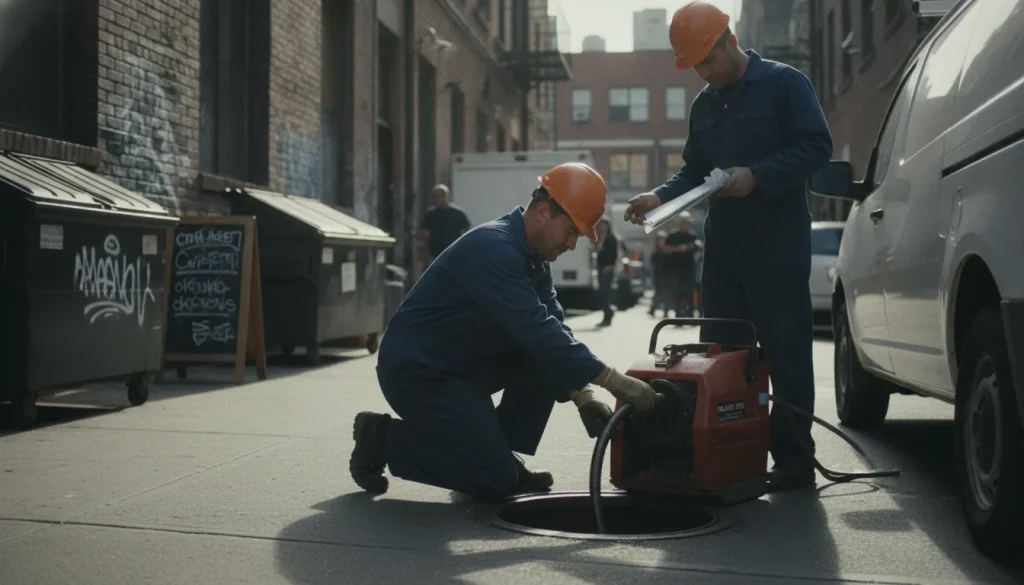
Drain cleaning cost for commercial properties depends on line size, access, blockage severity, and the method used. Most visits include diagnosis, clearing the line, and a flow test, with add-ons like camera inspection or hydro jetting when needed. In Hillsboro, a defined scope and clear site access help keep the total drain cleaning cost predictable.
Table of Contents
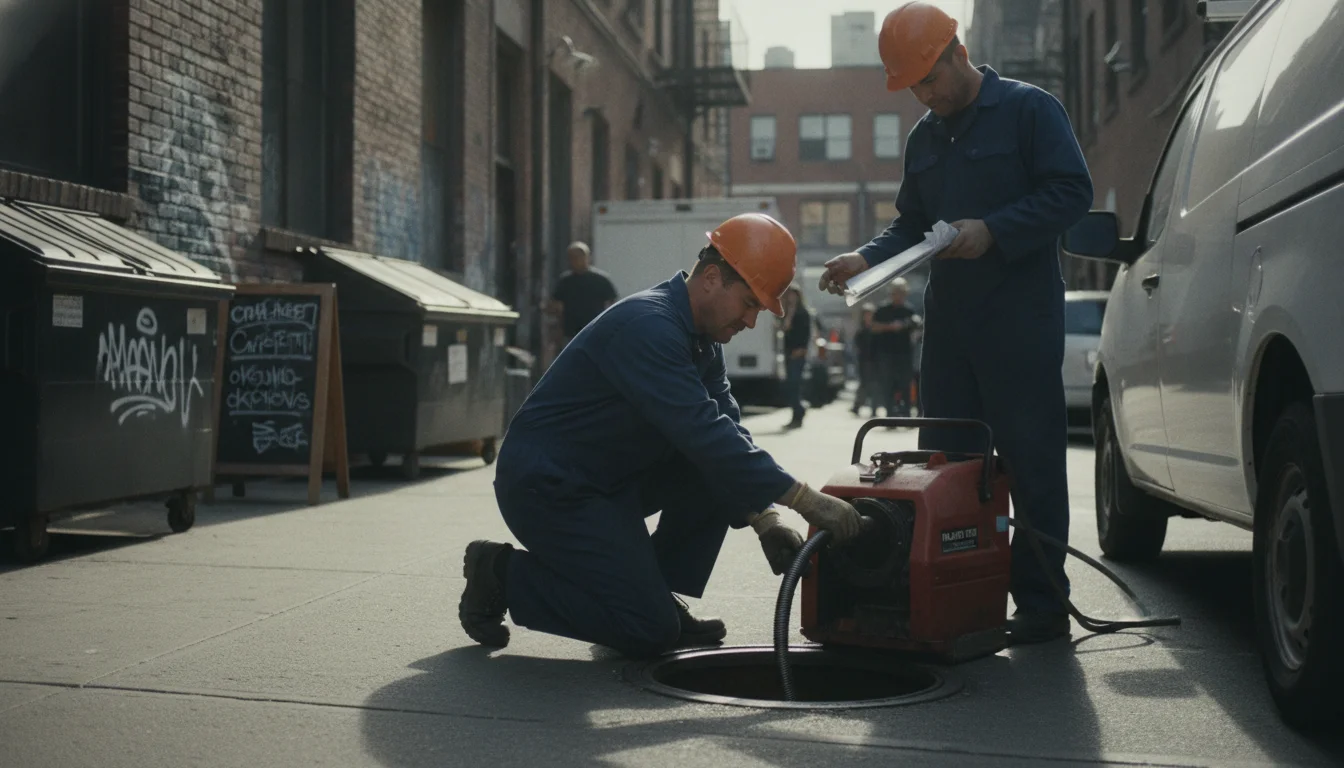
- What is the average drain cleaning cost for commercial properties?
- Which factors affect commercial drain cleaning cost the most?
- How do methods compare: snaking vs. hydro jetting vs. camera inspection?
- What should I expect to pay for emergency, after-hours, or weekend service?
- How can I get accurate quotes and avoid surprise charges?
- Are maintenance plans and grease management worth it for businesses?
- How do I choose a reputable commercial plumber I can trust?
- Key takeaways
- Frequently Asked Questions
- Conclusion
What is the average drain cleaning cost for commercial properties?
Most commercial drain cleaning jobs are priced by time, method, and access. A standard visit includes diagnosis, clearing the line, and testing flow. Costs vary by fixture type and building rules. A clear scope tells you what the visit covers so you can compare quotes.
A commercial drain is any pipe moving wastewater from fixtures to the building’s main line. Common fixtures include floor drains, mop sinks, kitchen lines, and restrooms. The main line is the large pipe that carries waste out to the city sewer. Grease traps, used in food service, hold fats, oils, and grease to protect the main line. Each fixture has different access and cleaning needs.
Floor drains often clog with silt, mop debris, or food scraps. These are usually accessible but may sit in low spaces. Restroom groups can clog from paper and hygiene products. Kitchen lines get heavy grease. Main lines carry all waste, so backups here are the most disruptive. Grease traps require pumping and line cleaning to keep flow steady.
What’s included in a standard service call? Expect basic diagnosis, tool setup, safe clearing, and a flow test. Cleanup around the work area and simple trap reassembly are common. Extra time, deep blockages, roof access, or confined-space work may add cost. Camera inspection, hydro jetting, and hauling debris are usually add-ons.
Typical inclusions to confirm in writing:
- Accessing the clog point and safety setup
- One method (snaking or a basic jet) and a final flow check
- Cleanup of the work area and disposal of small debris removed on site
Which factors affect commercial drain cleaning cost the most?
Drain cleaning cost shifts with what the plumber can reach, what tools fit, and how fast they can restore flow. The biggest drivers are pipe size, access, blockage type, and timing. A clear site and known line map help reduce time on site.
Line size matters. Larger lines (like a building main) need bigger equipment and more power. A long run with many bends can slow progress. Access is next. If the cleanout is blocked by shelving or a walk-in cooler, setup time grows. If a roof vent is the best entry, safety gear and extra techs may be needed.
Severity of blockage changes the plan. A soft clog (paper or food) may clear with a small cable. Heavy scale, tree roots, or built-up grease may need hydro jetting. Hydro jetting uses high-pressure water to scrub pipe walls clean. It can restore pipe diameter but takes more setup and skill. Camera inspection helps find the true cause so the fix sticks.
Time of day can add cost. After-hours or weekend calls often carry higher rates. That covers overtime pay and mobilization. In busy areas, travel and parking challenges also add time.
Building type also plays a role. A restaurant with a grease trap has compliance needs and waste rules. A healthcare site may require infection-control procedures. Retail spaces may limit work hours. Disposal rules can add fees if waste must be contained or hauled to a special site.
Key cost drivers to share in advance:
- Pipe size, material, and known cleanout locations
- What backed up, where it showed, and when it started
- Access limits, security steps, and approved work hours
How do methods compare: snaking vs. hydro jetting vs. camera inspection?
Snaking, hydro jetting, and camera inspection each play a role. The right method depends on the clog and the goal. Snaking breaks a blockage to restore flow fast. Hydro jetting cleans the pipe walls. A camera shows what caused the blockage and where.
Snaking is a cable with a cutting head that turns. It is fast on soft clogs in small or mid-size lines. It can punch a hole through grease or paper. But it may leave residue on the walls. That can allow clogs to return. Snaking works well for routine restroom or floor drain issues.
Hydro jetting blasts high-pressure water down the line. It scours grease, scale, and sludge. It also clears many root intrusions in outside lines. Jetting is ideal for kitchen lines, long mains, and recurring clogs. Because it cleans, not just opens, it can extend time between service visits.
A camera inspection sends a small video camera into the pipe. It shows cracks, bellies (low spots), roots, or grease liners. It also confirms if the city tap is clear. Recording the video helps plan repairs or set a maintenance schedule. It is often an add-on after opening the line.
Add-ons and upgrades that change the final bill:
- Camera inspection with a recorded file and line locate on site
- Access repairs (stuck cleanout caps, corroded traps) and safety setup
- Enzyme dosing or grease trap service after cleaning
When to pick each method: Use snaking for simple, first-time clogs. Choose hydro jetting for heavy grease, scale, or repeat issues. Add a camera when the cause is unclear, the line is old, or you plan repairs. A mix of these gives a fix that lasts.
What should I expect to pay for emergency, after-hours, or weekend service?
Emergency calls move fast, but urgency changes cost. After-hours work often has higher rates. That covers rapid response, overtime labor, and travel. Many providers set a minimum charge for urgent calls, with time billed after that. Having clear access and a decision-maker on site reduces time.
A call-out fee is a set charge to mobilize a crew. It may include the first period of labor. Minimums define the least billable time, like the first hour. Travel charges may apply for longer distances or congested zones. Parking and site access can add time if the team must hand-carry heavy gear.
What about weekend or holiday work? Expect premium rates due to staffing and limited supplier hours. If a special part or cap is needed and supply houses are closed, a temporary fix may be placed until normal hours.
Avoid repeat emergencies with a plan. Hydro jetting followed by a camera review can map issues. A recurring maintenance plan can set cleanings before rush periods. For restaurants, pair line cleaning with grease trap service. For large sites, stagger service by zone so restrooms and kitchens stay open.
Steps to cut emergency costs next time:
- Keep cleanouts clear and labeled on a simple site map
- Approve preventive cleanings during slow business hours
- Train staff on what not to flush or pour down drains
For true water damage risks, Emergency Plumbing can act fast to isolate lines. If a clog turns into an overflow, having a go-to plan saves time and reduces loss.
How can I get accurate quotes and avoid surprise charges?
Accurate quotes start with a clear scope. A scope lists what will be done and what could add cost. Share site details, work hours, access limits, and safety rules. Ask for the method proposed and what success looks like. A good quote sets expectations in plain words.
Use a checklist to brief the plumber. Include the fixture type, symptoms, and where backups showed. Note pipe size and material if known. Add photos of the area and any past reports. Share building rules like loading dock hours, sign-in steps, and required badges. Tell them if the work is inside a food prep area or a healthcare zone.
Red flags include vague language, no mention of cleanup, or open-ended travel charges. Watch for unclear add-ons like camera work without a deliverable file. Ask how debris will be handled. Confirm if enzyme dosing or grease trap service is included or separate. Make sure time starts on arrival, not from the shop, unless stated.
Scope checklist to share with plumbers:
- Line type (floor drain, kitchen line, main), size, and material
- Symptoms (slow drain, gurgling, overflow) and first known time
- Cleanout locations, ladder needs, and confined spaces
- Allowed work hours, security steps, parking, and dock access
- Desired outcome (restore flow, full clean, camera record)
Finally, ask for a simple work summary after the visit. That should state the cause found, method used, and any repair needs. Keep these records. They guide the next visit and help with warranty terms if offered.
Are maintenance plans and grease management worth it for businesses?
Maintenance plans are scheduled cleanings and checks. They aim to prevent clogs and downtime. For busy kitchens and large sites, planned service often costs less than repeated urgent calls. A plan can bundle hydro jetting, enzyme dosing, and camera checks by quarter or season.
Grease management matters in food service. A grease trap slows wastewater so fats, oils, and grease settle out. Regular pumping and line cleaning keep grease from coating pipes. Poor grease control leads to backups, smells, and health code issues. A steady schedule keeps kitchens open and compliant.
Typical plan scope includes pre-clean checks, cleaning by method, and a post-clean flow test. Many plans add incident response during set hours. Some include staff training on what to avoid pouring down sinks. The right interval depends on volume. Busy sites may need monthly or bi-monthly service. Lower volume sites may run quarterly.
Compare plan cost to reactive calls. Add the price of downtime, cleanup, and lost sales. If a single backup shuts a dining room during peak hours, that loss can exceed a year of planned service. Plans also help forecast spend. That keeps budgeting simple.
Signs a plan will pay off:
- Repeat clogs in the same line within months
- Heavy grease or scale found during past cleanings
- Limited access hours that make emergencies costly
- Health or safety rules that require documented service
Ask your provider how Drain Cleaning pairs with grease trap service. A combined visit can cut labor time. For properties with tanks or pumps, coordinate with Water Tanks and Kitchen Plumbing teams so all systems stay aligned.
How do I choose a reputable commercial plumber I can trust?
Start with licensing and insurance. A licensed plumber has proven knowledge of codes and safe work. Ask for proof of general liability and workers’ compensation. Confirm they follow OSHA safety rules on ladders, confined spaces, and PPE. Clear safety steps protect your people and their crew.
Experience with your building type matters. A restaurant, warehouse, hospital, or school each has different needs. Ask for examples of similar jobs. A strong provider will share how they handled access limits, permits, or health controls. They can also explain how camera findings led to a lasting fix.
Check references and response process. How fast do they confirm a schedule? Do they give written scopes and post-job notes? Do they keep a service history for your site? A reliable team will outline how they handle urgent calls, parts delays, and site rules. They will respect your hours and customer areas.
Questions to ask before you schedule service:
- Do you regularly handle commercial plumbing work in Oregon?
- What methods do you recommend for this line and why?
- Will you provide a camera video and a simple report if needed?
- How do you price after-hours calls and travel time?
- How do you protect floors, food areas, and public spaces?
Hillsboro Plumber works across Hillsboro every week to help local shops, offices, and kitchens keep drains clear. The team can align Emergency Plumbing support with planned Drain Cleaning. This reduces downtime and helps protect your brand. Ask how service can be staged to keep doors open during peak times.
Key takeaways
- Drain cleaning cost depends on line size, access, method, and time of day.
- Snaking opens a clog fast; hydro jetting cleans the pipe walls for longer relief.
- Camera inspection finds the cause and guides repairs or maintenance plans.
- Clear scopes, photos, and site rules lead to accurate, fair quotes.
- Maintenance and grease control cut downtime and emergency spending.
Frequently Asked Questions
How long does commercial drain cleaning usually take?
Most simple clogs clear within the first service window. Tough blockages, roof access, or long runs take longer. Adding hydro jetting or a camera adds setup time. Clear access and a known cleanout help the crew work faster and reduce the total drain cleaning cost.
Is hydro jetting safe for older pipes?
Yes, when done by a trained tech who verifies pipe condition first. A camera check helps spot weak joints or cracks. Pressure is matched to pipe size and material. If a section is fragile, snaking or targeted cleaning may be used instead to protect the line.
Do I need a camera inspection every time?
Not always. If the clog is simple and rare, a quick snake may be enough. Use a camera when clogs repeat, lines are old, or you plan repairs. A video record helps plan future work and set a cleaning schedule that prevents surprise backups and business downtime.
What should staff avoid putting down drains?
Avoid wipes, paper towels, food scraps, coffee grounds, and cooking grease. In kitchens, scrape plates and use strainers. In restrooms, post simple signs about what to flush. Staff training is a low-cost step that prevents many clogs and keeps service visits short and predictable.
Who should I call if a drain backs up after hours?
Call a licensed commercial plumber who offers Emergency Plumbing. Ask about after-hours rates and minimums. Share a simple site map and access rules. Keep a contact list ready at the front desk. Fast, clear info speeds response and helps control total cost for the visit.
Conclusion
Clear drains protect your business, staff, and guests. In Hillsboro, plumbing costs for commercial drain cleaning vary with line size, access, method, and timing. A solid scope and the right method prevent repeat calls. For help planning service Hillsboro Plumber can align Drain Cleaning, Emergency Plumbing, and camera work to fit your schedule. Contact us.
If you are not sure which of these you are dealing with, it is worth having someone look at it before it turns into a bigger job. Get in touch with Hillsboro Plumber today and we will tell you where you stand.